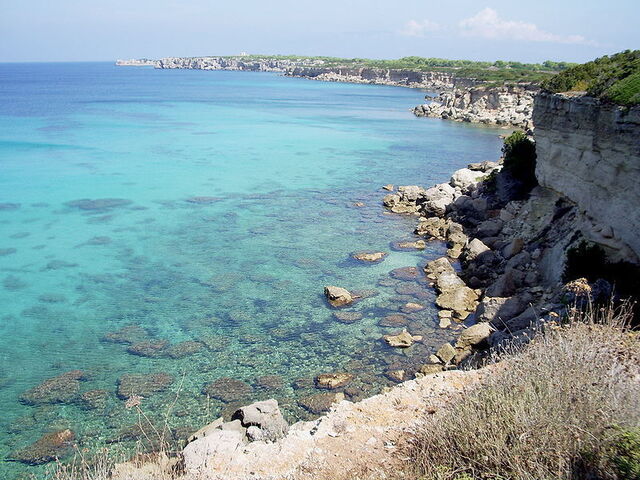
Located in the glimmering Tyrrhenian Sea, off the coast of Tuscany, Pianosa Island is one of the smallest islands in the Tuscan Archipelago. It is also almost entirely uninhabited exception made for wildlife, nature, a handful of humans and the ghosts of the past. So flat that it is barely visible, and often described merely as looking like a darker blue line in the sea, it was most recently home to a prison that is now abandoned. Since its closure, Pianosa Island has become a popular spot for diving enthusiasts as there is a huge variety of saltwater fish and vegetation and dolphins often make appearances. Find a villa with pool on the Tuscan Coast and you could spend a day exploring this fascinating island and its stunning surroundings.
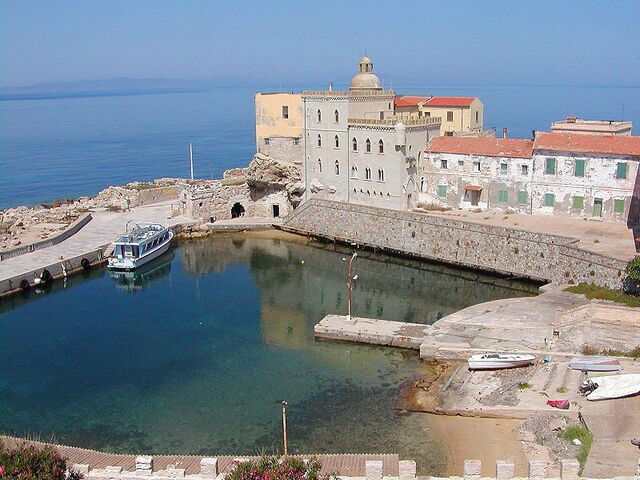
The island was first inhabited in the late Stone Age. Roman ruins remain of a villa, theatre and catacombs. Between the 12th and 13th centuries. Pisa and Genoa fought over rights to the island due to its strategic position off the coast. Visitors to the island have included pirates and Napoleon — who declared it the most interesting of the Tuscan islands.
Inhabitants have included small fishing colonies, military officers set up in strongholds on the island and the prisoners, particularly dangerous Mafia criminals, kept in the penitentiary there between 1868 and 1998. Now the island is no longer inhabited by so many and for only part of the year.
Inhabitants have included small fishing colonies, military officers set up in strongholds on the island and the prisoners, particularly dangerous Mafia criminals, kept in the penitentiary there between 1868 and 1998. Now the island is no longer inhabited by so many and for only part of the year.
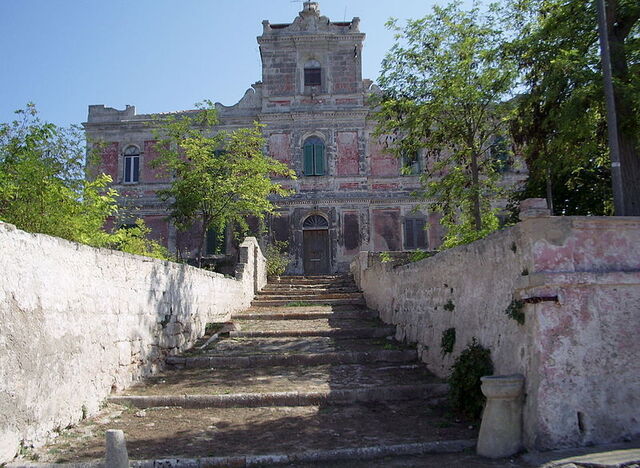
The only residents are a few policemen, the family of a guard and two or three convicts on probation. All that stands are the prison and prison museum, a few houses, a restaurant and the Roman ruins. As a result, the whole island gives off the feeling of a ghost town and can be quite spooky but, as with many abandoned places, there is also something rather eerily beautiful about its vacant nature.
Tourists may visit the island with special permits and take tours but preservation remains an important concern. The island in its entirety, is part of the The National Park of the Tuscan Archipelago.
It is protected from alteration and environmental damage. Only sustainable development is allowed and care for the environment, historic and artistic heritage is closely monitored. Shipping and fishing are not allowed within a mile of the coast.
These factors make Pianosa an extremely peaceful place of unfettered natural beauty. The landscape is uniquely unspoiled and the man-made structures are fascinating remnants of history. The ocean beds offer a varied marine environment with water plants such as the Posidonia oceanica and fish like great pipefishes, salemas, common dentexes, striped mullets, seabreams, morays, lobsters, amberjacks and groupers clearly visible.
The only way to visit is by contacting a special guided tour operator. You cannot visit without one. Boats leave from Piombino and Elba Island and a maximum of 400 people can visit per day. Overnight stays are not possible. If you are on the Tuscan Coast, try and join one of the tours as this would make for a once-in-a-lifetime trip!
Tourists may visit the island with special permits and take tours but preservation remains an important concern. The island in its entirety, is part of the The National Park of the Tuscan Archipelago.
It is protected from alteration and environmental damage. Only sustainable development is allowed and care for the environment, historic and artistic heritage is closely monitored. Shipping and fishing are not allowed within a mile of the coast.
These factors make Pianosa an extremely peaceful place of unfettered natural beauty. The landscape is uniquely unspoiled and the man-made structures are fascinating remnants of history. The ocean beds offer a varied marine environment with water plants such as the Posidonia oceanica and fish like great pipefishes, salemas, common dentexes, striped mullets, seabreams, morays, lobsters, amberjacks and groupers clearly visible.
The only way to visit is by contacting a special guided tour operator. You cannot visit without one. Boats leave from Piombino and Elba Island and a maximum of 400 people can visit per day. Overnight stays are not possible. If you are on the Tuscan Coast, try and join one of the tours as this would make for a once-in-a-lifetime trip!
Photo credits
picture 1: Matteo Vinattieri / CC BY 3.0;
picture 3: Matteo Vinattieri / CC BY 3.0
picture 1: Matteo Vinattieri / CC BY 3.0;
picture 3: Matteo Vinattieri / CC BY 3.0