If you love Florence and have an interest in history and museums but can't handle crowds and crazy lines, or merely want to experience things a little off the beaten track, this article might interest you.
We have gathered together a list of just three museums in the artistic and cultural centre of Florence that you may yet to have experience or consider.
Find a luxury villa in Florence and you can explore these little gems for yourself.
We have gathered together a list of just three museums in the artistic and cultural centre of Florence that you may yet to have experience or consider.
Find a luxury villa in Florence and you can explore these little gems for yourself.
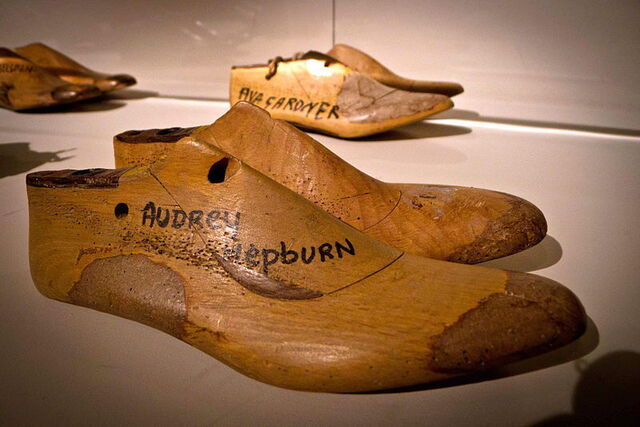
In Palazzo Spini Feroni, on Via Tornabuoni, you'll find the Ferragamo headquarters and, in the basement, the Ferragamo Museum. Opened in 1995, it aims to illustrate the work of Italian footwear designer Salvatore Ferragamo and the roles he played in the history of shoe design and international fashion. Shoes themselves are displayed alongside sketches, images, books and magazines. The museum's collection has 10,000 examples designed by Ferragamo between 1920 and 1960 and they are displayed along thematic lines to encourage deeper consideration and observation. It costs just five euro to enter and the museum is open Monday to Friday from 9.00 to 13.00 and 14.00 to 18.00. Reservations ahead of time are recommended.
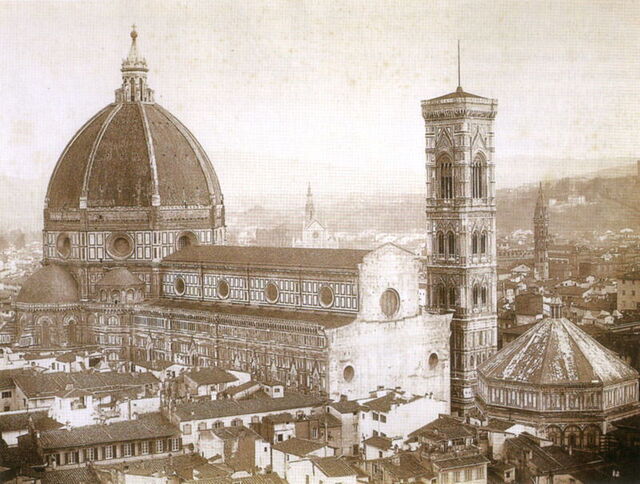
Though the Duomo, or cathedral, is an iconic sight and site in Florence, many people might forget about the amazing museum housed inside it. The museum is located to the east of the Duomo, near the apse. Opened in 1891, it is considered to house "one of the world's most important collections of sculpture." It's easy to see why, as the collection contains works by Donatello, Ghiberti, Luca della Robbia and Michelangelo. Furthermore, plans and sketches to do with all aspects of the planning, building and decorating of the cathedral are on display within the museum, giving the visitor a real sense of the difficulties and extraordinary effort involved in building such a structure, as well the various alternative forms the Duomo could have taken.
The museum is currently being renovated and reopens on the 29th of October 2015. It costs just 10 euro to visit the cathedral, cupola, baptistery, campanile, crypt and museum.
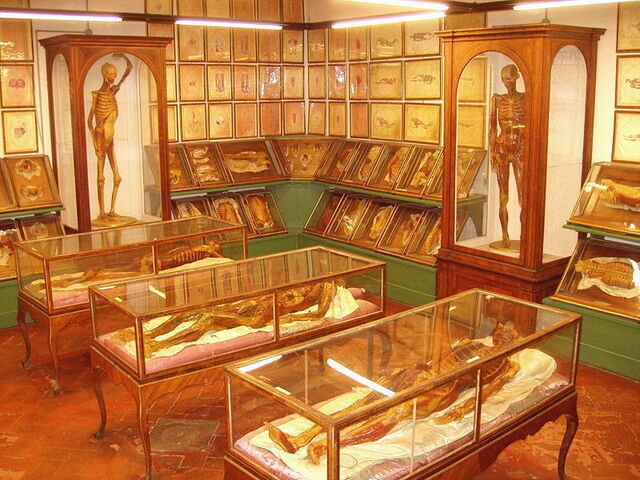
The Medici are known for their civic role in Florence and for their patronage and collecting of art but they also collected natural specimens such as fossils, animals, minerals and plants. These examples and a large collections of books are what is held in the Museum of Natural History (La Specola). Opened to the public in 1775. Until the 19th century, it was the only such museum created for the public. It is comprised of 34 rooms; 24 for zoology and 10 for anatomic waxes (which can be graphic, so be wary). The museum also has a display dedicated to Galileo with examples of his instruments. Entry is six euro and well worth it for groups with kids.
If you're planning a trip to Florence, these might be some museums you might want to check out!
The museum is currently being renovated and reopens on the 29th of October 2015. It costs just 10 euro to visit the cathedral, cupola, baptistery, campanile, crypt and museum.
The Medici are known for their civic role in Florence and for their patronage and collecting of art but they also collected natural specimens such as fossils, animals, minerals and plants. These examples and a large collections of books are what is held in the Museum of Natural History (La Specola). Opened to the public in 1775. Until the 19th century, it was the only such museum created for the public. It is comprised of 34 rooms; 24 for zoology and 10 for anatomic waxes (which can be graphic, so be wary). The museum also has a display dedicated to Galileo with examples of his instruments. Entry is six euro and well worth it for groups with kids.
If you're planning a trip to Florence, these might be some museums you might want to check out!
Photo credits
picture 1: Esther / CC BY-SA 2.0;
picture 3: Daderot / CC BY 2.5
picture 1: Esther / CC BY-SA 2.0;
picture 3: Daderot / CC BY 2.5