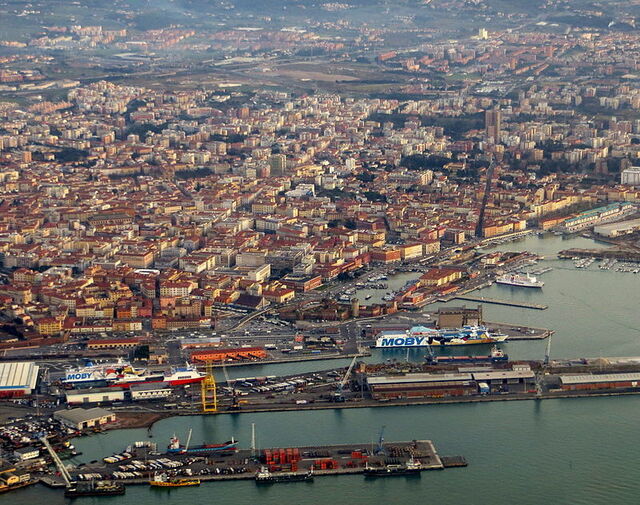
Film and Tuscany have a long and rich history. In Florence, in 1895, Filoteo Alberini, born in Orte, had the idea to create a tool for projecting film on screen. While a member of the Military Geographical Institute, in 1894 in Piazza della Repubblica he had the chance to see the Edison Kinetoscope, which shows moving images when you look inside a special wooden box. The next year, he created the kinetograph, a precursor to cinema projectors. Sadly, it was only patented a few months after the Lumière brothers patented their projector and went on to become much more famous and rich than Alberini ever did. However, he did go on to open the first Italian movie theatres in 1901 and founded the country's first film company, Cines, in 1905. He then made the first Italian movie "La presa di Roma," about the entry of Garibaldi's troops into Rome during the Risorgimento. He made the film in Livorno and it was the first of many to be made in the city. So began Livorno's long relationship with cinema, continuing to this day. Find a holiday rental in Livorno, wander her cinematic streets and you'll understand why.
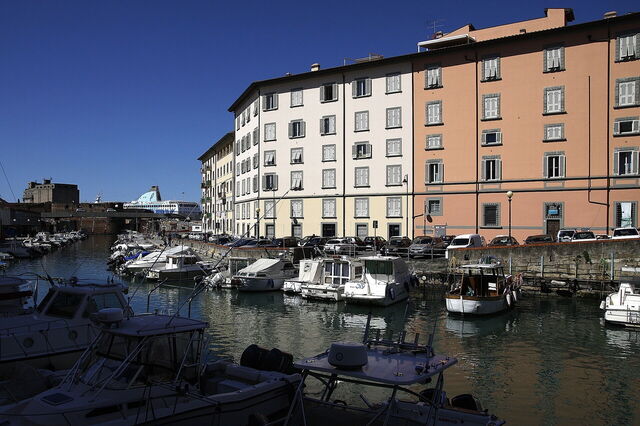
Luchino Visconti's 'Le notti bianche', saw the city was reconstructed as a dreamlike place in a studio with the canal district represented as an existential backdrop for the love affair central to the plot. 'La prima cosa bella' by Paolo Virzì, set in the 1960s, opens with the Pancaldi Bathing Establishment. The film is also partly set in Castiglioncello, a quaint seaside town just outside Livorno, which has also been used by Alberto Sordi, Suso Cecchi d'Amico, Furio Scarpelli, Clauda Cardinale, Marcello Mastroianni, Gasmann and Fellini, as well as featuring in 'Il Sorpasso' by Dino Risi. 'Ovosodo', also by Virzì, makes further use of Livorno's cityscape. Set in the poorest parts of the city, it revolves around the busy port and working class neighbourhoods of Livorno. It makes normal people the stars and shows you parts of the city far from the normal tourist routes.
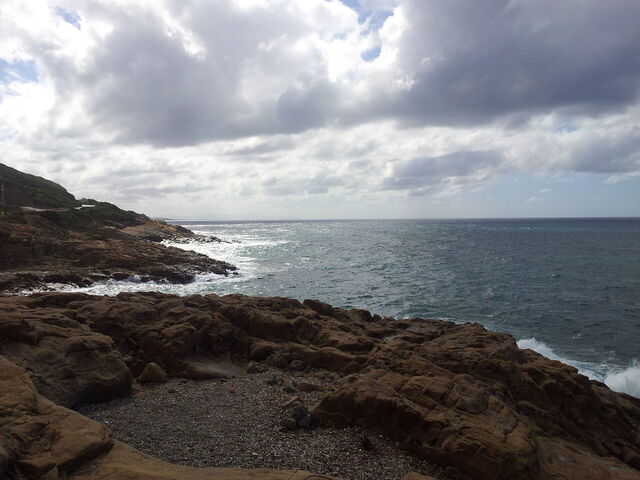
Internationally famous films have also been made in the town. The original silent Ben Hur movie, for example, directed in 1925 by Fred Niblo and starring Ramon Novarro and May McAvoy, was partly filmed on the Molo Novo in the Port of Livorno. The Livornese coastline south of the city was also used in the Sixties film Il Sorpasso starring Vittorio Gassman. Livorno once even had its own film studio, Tirrenia Film Studios, founded in 1933 and used until 1987 when they were used for the last time by the Taviani brothers for their film Good Morning Babilonia.
If you're a movie buff, particularly of Italian cinema, Livorno is a must while in Tuscany!
If you're a movie buff, particularly of Italian cinema, Livorno is a must while in Tuscany!
Photo credits
Picture 1: Luca Aless / CC BY-SA 3.0
Picture 1: Luca Aless / CC BY-SA 3.0