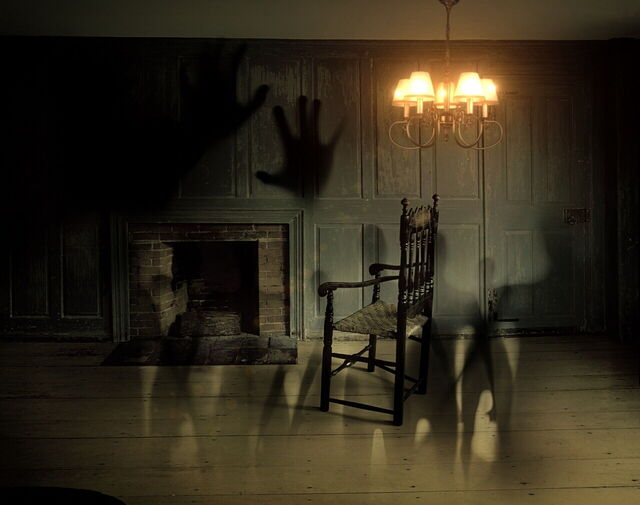
When one thinks of Florence, the first things that spring to mind tend to be art, architecture, beautiful public spaces and gardens and a rich historical heritage.
Ghosts probably don't feature too prominently in most people's idea of the city but considering its long and rich history full of political intrigue, conflicts, passion, anger and crime, there are plenty of stories of specters that are said to haunt the streets and buildings, spooky events and unexplained incidents.
With Hallowe'en fast approaching, why not find a luxury villa in Florence and spend All Hallows Eve tracking down ghosts in the city this year.
Read on for some scary stories that we have gathered together about the less well-known side of Florence.
Ghosts probably don't feature too prominently in most people's idea of the city but considering its long and rich history full of political intrigue, conflicts, passion, anger and crime, there are plenty of stories of specters that are said to haunt the streets and buildings, spooky events and unexplained incidents.
With Hallowe'en fast approaching, why not find a luxury villa in Florence and spend All Hallows Eve tracking down ghosts in the city this year.
Read on for some scary stories that we have gathered together about the less well-known side of Florence.
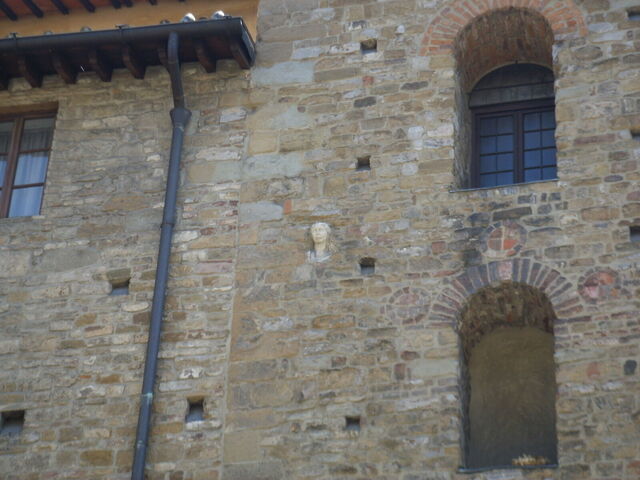
A short walk from Piazza della Signoria is the Church of Santa Maria Maggiore. Built in the 8th century, it doesn't immediately appear unusual – just a typical, if not somewhat austere, Romanesque church. If you look closer, however, you will notice something rather stranger and quite creepy up high on the aisle wall of the exterior: a lone stone head that emerges from the northern wall.
Legend says that this sculpture is actually the head of a cursed woman who made the mistake of leaning out the window and shouting at a crowd surrounding a man who was being brought to be executed for witchcraft not to give him any water as it would drag out his final living moments.
As she said this, the angry man looked up at her with a glare and turned her into stone, trapping her head on the church wall forever. The face remains as a creepy memento.
Legend says that this sculpture is actually the head of a cursed woman who made the mistake of leaning out the window and shouting at a crowd surrounding a man who was being brought to be executed for witchcraft not to give him any water as it would drag out his final living moments.
As she said this, the angry man looked up at her with a glare and turned her into stone, trapping her head on the church wall forever. The face remains as a creepy memento.
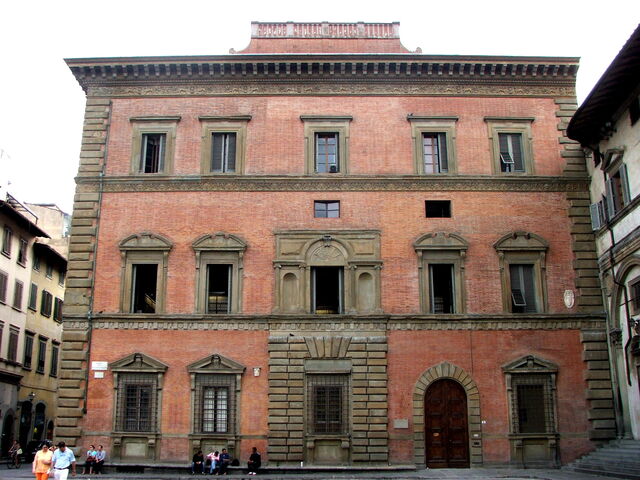
Not far from the church you will find the Piazza Santissima Annunziata where the Palazzo Budini-Gattai, formerly Palazzo Grifoni, is located. Like the Church of Santa Maria Maggiore, the eeriness of this particular building is in the details that many walk past without ever noticing. On the far right window if the second floor of the building there is a window that is always left open, apparently because a ghost continues to await for her husband's return. The tale goes that a Grifoni son left for war centuries ago, telling his young bride that he would quickly return but she waited decades, looking out the open window, only for him to never come home. It is said that her wait continued until the day she died and when the window was finally closed the furniture began to shake, objects flew across the room and paintings fell from the walls. The chaos stopped the moment the window was opened once more and it has never been fully closed again since that day.
It is clear, then, that the streets of Florence are hiding lots of spooky secrets in plain sight! Read on to our next article and spend a Hallowe'en exploring the ghostly history of Tuscany's capital.
It is clear, then, that the streets of Florence are hiding lots of spooky secrets in plain sight! Read on to our next article and spend a Hallowe'en exploring the ghostly history of Tuscany's capital.
Photo credits
Picture 2: Sailko / CC BY 2.5;
Picture 3: Zafky / CC BY-SA 3.0
Picture 2: Sailko / CC BY 2.5;
Picture 3: Zafky / CC BY-SA 3.0