Palazzo Bartolini Salimbeni
Posted in: Florence Localities Museums & Galleries Tourist Attractions
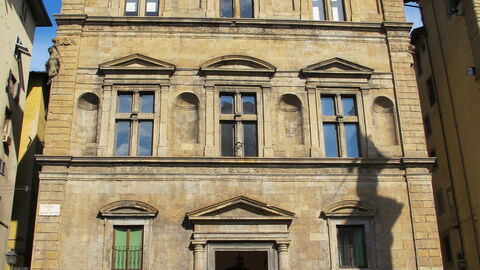
Roberto Casamonti opened his first gallery forty years ago on the chic via Tornabuoni and there are now locations in seven in cities all around the globe. Having made his fortune in the art world, the 78 year-old has decided to give back to the world with art and purchased the piano nobile of the Renaissance Palazzo Bartolini Salimbeni in order to display and open his truly extraordinary private art collection to the public. Opened on the 25th of March this year, this gallery is located just off piazza Santa Trinità and free to visit (with an appointment) until the 31st of May, with a fee thereafter.
Stibbert Park
Posted in: Florence Localities Museums & Galleries Parks & Gardens Tourist Attractions
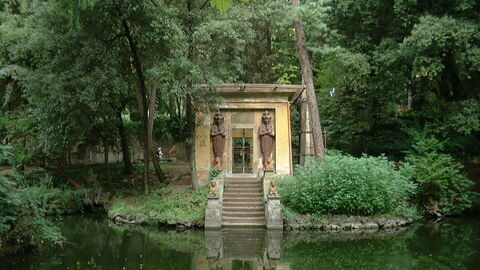
One of the many museums of Florence is the charming and singular Stibbert Museum. Less well-known to international tourists but with an astounding collection, it has an extensive collection of objects and art works from all around the world. Based on the collections of the wealthy Federico Stibbert who was the grandson of Giles Stibbert (Commander-in-Chief of the British East India Company and Governor of Bengal), inherited a great fortune, and then dedicated his life to accumulating an extraordinary collection of art, arms, costumes and objets d'art. He filled his home with these objects and after he died in 1906, he left the villa and everything inside to the city of Florence, and it was opened as a museum.
Casino del Cavaliere
Posted in: Florence Localities Museums & Galleries Tourist Attractions
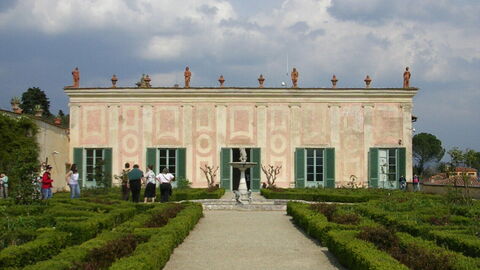
The Palazzo Pitti is a historic palace in Florence that is home to several museums, including the Costume Museum, Silver Museum, the Uffizi Galleries and more. Located on the grounds of the palace are the famous Boboli Gardens and, within those beautiful gardens, there is yet another museum. The Porcelain Museum is located in the Casino del Cavaliere, at the top of the Boboli gardens' slopes. A little retreat built as an escape for the Grand Duke in the 18th century, it is a charming and pretty pastel building that offers incredible views across the city and displays some equally pretty porcelain works.

It is a lovely little addition to a visit to the complex and something a little of the beaten track of regular visitors. If you have found a luxury villa in Florence and are planning to visit the Palace or Gardens, keep this gem in mind, as well, while you're at it!
Michelangelo's David
Posted in: Florence Localities Museums & Galleries Must See Attractions Tourist Attractions
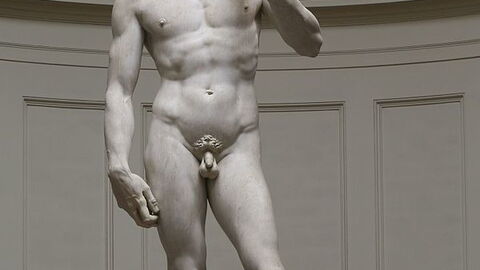
Michelangelo is one of the most unchangingly and utterly famous artists in all of art history. He is known all over the globe and tales of his brilliance and eccentricity are legendary. Born in the fifteenth century, he was a true Renaissance man: a Florentine sculptor, painter, poet, architect and engineer.

Prodigiously talented and an obsessively hard worker, he has left behind some of the greatest works of art that the world has ever known. However, one of the single most famous and iconic of his works has to be his David. If you are an art lover that has found a luxury villa in Florence, a pilgrimage to this beloved work is a must!
Palazzo Casali
Posted in: Architectural Gems Cortona Localities Museums & Galleries Pretty Views Tourist Attractions
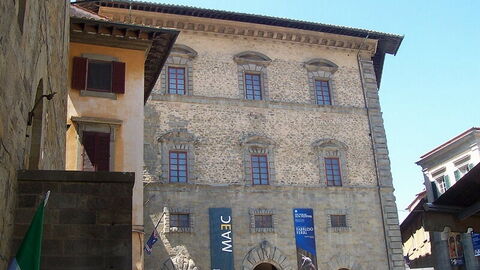
Palazzo Casali is a palace located in the Tuscan town of Cortona that was built by the Casali family, who ruled over the town in the 13th century. It was only a family residence until 1409 and, thereafter, became the Palazzo Pretorio, which was occupied by the city’s Florentine captains. Today, it houses the City Museum and, on the first and top floors, the library and museum of the Accademia Etrusca. A beautiful building and an excellent and historic museum, it is a worthwhile little visit to pop into your itinerary if you are a culture vulture that has found a vacation rental in Cortona.

The façade that is visible today can probably be attributed to Filippo Berettini and was executed at the beginning of the 17th century and the rear façade, looking onto Via delle Carceri, is particularly lovely. From the main Palazzo Casali entrance, you pass through a 17th century carved doorway, into a large atrium that is decorated with coats of arms and opens into a courtyard. Particular architectural elements to take note of are the two staircases and the 16th century sandstone fountain commissioned by Bettino Ricasoli.