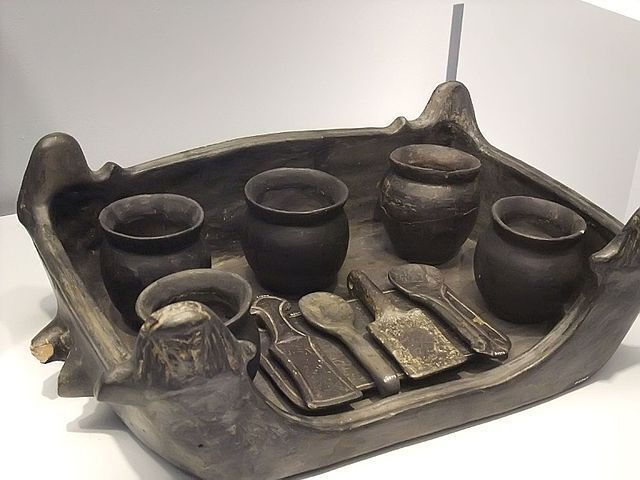
To experience some of the most exquisite Italian food in the country, a booking a stay in the stunning Tuscany region would be ideal. A highly advance civilisation thrived here between 800BC and 390bc called the Etruscans. They were particularly talented in culinary knowledge. The ancient art of Etruscan cuisine is still very much alive in this region, faithfully passed down through the millennia.
Disregarded by the Military Romans as heavy drinkers obsessed with feasting and having a good time, the Etruscans were the party people of Italy; and they had every right to be! The rich soil of their land and perfect sunny temperatures close to the sea provided them with ideal cultivation conditions.
Orchards brimming with a huge variety of delicious fruits and olives and fields covered with a thriving harvest of cereals and other vegetables meant that the Etruscans had a fantastic variety of food available to them to compliment their meat and fish dishes. They even had plenty of surplus grains to send to other parts of Italy during famines.
Disregarded by the Military Romans as heavy drinkers obsessed with feasting and having a good time, the Etruscans were the party people of Italy; and they had every right to be! The rich soil of their land and perfect sunny temperatures close to the sea provided them with ideal cultivation conditions.
Orchards brimming with a huge variety of delicious fruits and olives and fields covered with a thriving harvest of cereals and other vegetables meant that the Etruscans had a fantastic variety of food available to them to compliment their meat and fish dishes. They even had plenty of surplus grains to send to other parts of Italy during famines.
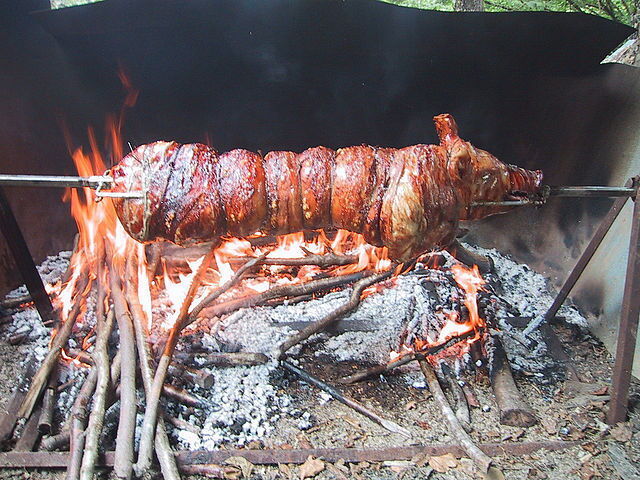
Sample some of the most popular Etruscan dishes passed down through the ages including a ricotta pasta dish called ‘Tortelloni ricotta’ or ‘Porchetta’ which is roast pig and an adaption of that called ‘Anatra in Porchetta’ which substitutes goose or duck for the pork. Some of the more staple Etruscan dishes that the visitor can still savour today are called ‘Pollo in Bianco’, which is a delicious creamy chicken dish served with a colourful array of seasonal vegetables, and Scottiglia, a zesty stew made with whatever meat is available along with plenty of pulses and other vegetables.
Another famous Etruscan dish which visitors are guaranteed to enjoy along with a tasty local wine is a perfectly cooked Roast Pork loin.
Another famous Etruscan dish which visitors are guaranteed to enjoy along with a tasty local wine is a perfectly cooked Roast Pork loin.
It’s called ‘Arista’ because of the common description used to define its flavour when it was cooked and served to passing merchants and guests; ‘aristos’, meaning ‘magnificent’ or ‘splendid’.
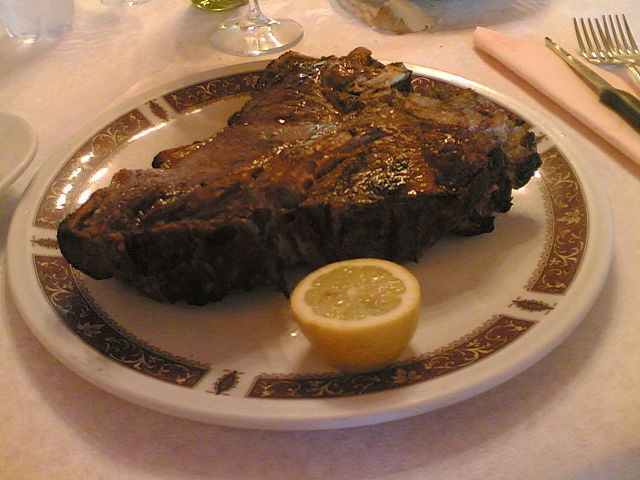
The prosperous markets in Florence city in Tuscany made famous a tasty grilled steak made from prized Val di Chiana beef which British visitors couldn’t seem to get enough of! They kept shouting for the Florentine chefs to cook more ‘Beef steak’! ‘Beef steak’! This popular steak became known as ‘Bistecca alla Fiorentina’ ever since.
Barley soup was and still is a popular staple Etruscan dish among, packed with lentils, chickpeas and Fava beans.
Cattle, pigs, sheep, chickens and other game were raised for their meat but the Etruscans’ favourite were deer and wild boar because of their distinctive flavour. Generous steaks were cut up and either grilled over a fire or cooked in a thick stew for the banquet table. Fish would have been included in a few dishes also but as they were still been caught using the old line and hook method, it would be too hard to gather enough for a large feast.
Spicy salmon dishes and huge bowls of freshly steamed shellfish seasoned with rosemary and lemon were very popular on the feasting table as was a famous Etruscan fish stew called Cacciucco. These exquisite foods are prepared in much the same way as they were during the Etruscan period and can be enjoyed in many authentic restaurants across Tuscany; they are prepared beautifully so as to be a feast for the eyes as well as the stomach!
Tourists can savour the many mouth-watering dairy products, olive oils and local wines that are abundant in this region. Milk and other dairy products were used frequently in Etruscan cooking thanks to their huge herds of cattle and goats.
The Etruscans would grow fruit in their back gardens and dry it during the summer months to enjoy in the winter. Any extra food would be exported mainly via the Gulf of Baratti in exchange for textiles or other goods. Olive oil was a major Etruscan export. They were the first to cultivate it on an industrial scale and export it across the Mediterranean and surrounding countries.
The prosperous markets in Florence city in Tuscany made famous a tasty grilled steak made from prized Val di Chiana beef which British visitors couldn’t seem to get enough of! They kept shouting for the Florentine chefs to cook more ‘Beef steak’! ‘Beef steak’! This popular steak became known as ‘Bistecca alla Fiorentina’ ever since.
Barley soup was and still is a popular staple Etruscan dish among, packed with lentils, chickpeas and Fava beans.
Cattle, pigs, sheep, chickens and other game were raised for their meat but the Etruscans’ favourite were deer and wild boar because of their distinctive flavour. Generous steaks were cut up and either grilled over a fire or cooked in a thick stew for the banquet table. Fish would have been included in a few dishes also but as they were still been caught using the old line and hook method, it would be too hard to gather enough for a large feast.
Spicy salmon dishes and huge bowls of freshly steamed shellfish seasoned with rosemary and lemon were very popular on the feasting table as was a famous Etruscan fish stew called Cacciucco. These exquisite foods are prepared in much the same way as they were during the Etruscan period and can be enjoyed in many authentic restaurants across Tuscany; they are prepared beautifully so as to be a feast for the eyes as well as the stomach!
Tourists can savour the many mouth-watering dairy products, olive oils and local wines that are abundant in this region. Milk and other dairy products were used frequently in Etruscan cooking thanks to their huge herds of cattle and goats.
The Etruscans would grow fruit in their back gardens and dry it during the summer months to enjoy in the winter. Any extra food would be exported mainly via the Gulf of Baratti in exchange for textiles or other goods. Olive oil was a major Etruscan export. They were the first to cultivate it on an industrial scale and export it across the Mediterranean and surrounding countries.
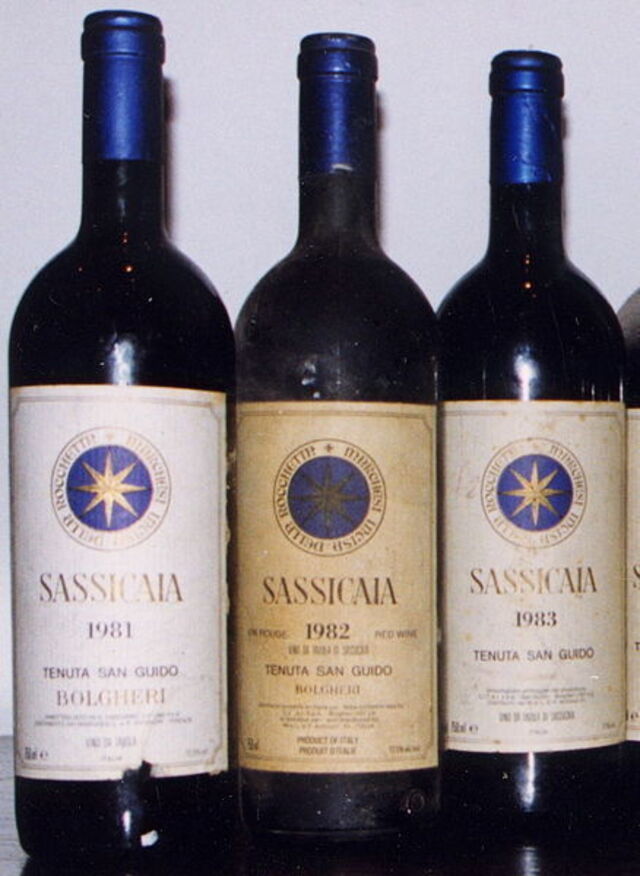
They originally imported wine from Greece during the 8th century until they discovered how to produce it themselves; and that’s when the good times really kicked off for the Etruscan people! It was called ‘Sassicaia’ and was so potent that it had to be added to large quantities of water before it could be served; it was the main beverage enjoyed at festivities of any kind. Etruscan women were free to drink and celebrate however they pleased, something which the Romans found extremely distasteful. They considered women to be second class citizens and forbade their own from engaging in most forms of social gatherings.
Although they wouldn’t like to admit it, the Romans learned a lot from Etruscan culinary traditions as they were so ahead of their time. They were among the first people to make and use pasta in many of their dishes. Murals of their cooking methods include images of metal saucepans filled with hot water and vegetables bubbling away over a fire as slabs of seasoned meat sizzled on a grill over the fire. The Etruscans were passionate about their food and rarely used any utensils other than their hands to eat. They used soft bread to wipe their dishes clean and threw the crusts on the ground for their animals to come into the dining room and eat up afterwards!
Their love of delicious cuisine and fine wine continued to pass down through the generations and to this day, your visit to this prosperous region will be enjoyed by trying out the many restaurants and eateries along the coast and further inland that are dedicated to serving traditional Etruscan dishes and satisfying your appetite for Italian dishes assembled with passion!
Although they wouldn’t like to admit it, the Romans learned a lot from Etruscan culinary traditions as they were so ahead of their time. They were among the first people to make and use pasta in many of their dishes. Murals of their cooking methods include images of metal saucepans filled with hot water and vegetables bubbling away over a fire as slabs of seasoned meat sizzled on a grill over the fire. The Etruscans were passionate about their food and rarely used any utensils other than their hands to eat. They used soft bread to wipe their dishes clean and threw the crusts on the ground for their animals to come into the dining room and eat up afterwards!
Their love of delicious cuisine and fine wine continued to pass down through the generations and to this day, your visit to this prosperous region will be enjoyed by trying out the many restaurants and eateries along the coast and further inland that are dedicated to serving traditional Etruscan dishes and satisfying your appetite for Italian dishes assembled with passion!
Photo credits
picture 1: Mary Harrsch / CC BY-SA;
picture 2: Oishi Kuranosuke / CC BY-SA;
picture 4: User:Lucarelli / CC BY-SA;
picture 1: Mary Harrsch / CC BY-SA;
picture 2: Oishi Kuranosuke / CC BY-SA;
picture 4: User:Lucarelli / CC BY-SA;