Cavallucci
Posted in: Food and Wine Localities Products & Specialities Recipes Siena
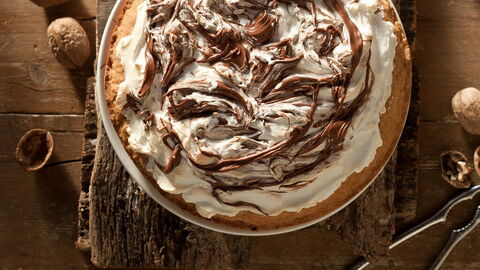
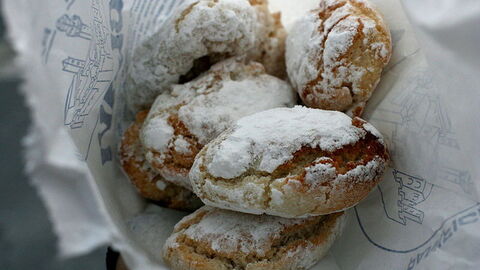
If you have found a villa in Siena with internet and are planning on spending time there over the holiday season, there is one local sweet treat that you need to try: Cavallucci.

The origin of these pastries dates back to ancient times, when monasteries and ancient spices stores were where culinary experiments took place using the ingredients they had at their disposal. One such experiment in Siena resulted in cavallucci. Meaning “little horses”, these are biscuits made from flour, honey and sugar, in the shape of half an apricot. Their exact origins and how they were named is uncertain but there are some theories. One is that they were eaten at stagecoach inns by people travelling long distances and others say they were consumed by postmen travelling at length on horseback or by servants working in the stables of the aristocracy.
Truffle hunting
Posted in: Countryside Events Food and Wine Localities November October Siena Small Towns
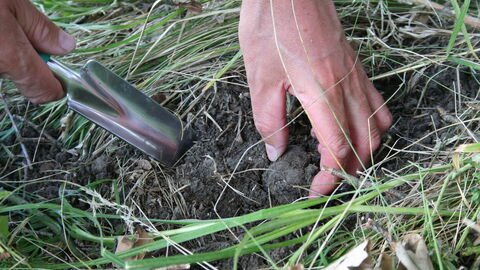
One of the most expensive foods in the world are truffles and, arguably, the best in the globe are those that are found in Tuscany. These are the truffles that can cost up to 4,000 euros for a kilo and that people from all over covet.

Locals also love the stuff and are very proud of the regional delicacy. In fact, there are actually several fairs and festivals around Tuscany that are expressly dedicated to the truffle.

Autumn is a wonderful time in this part of the world, with its picturesque scenery and cosy atmosphere, but it is the food that makes it truly special. While there are many dishes and foods that are typical of the area, the truffle is undoubtedly the king. Just check out our vacation rentals in Tuscany and try this delicacy for yourself.
Skyline of Sarteano
Posted in: Architectural Gems Castles & Palaces Churches & Religious Buildings Localities Museums & Galleries Siena Tourist Attractions
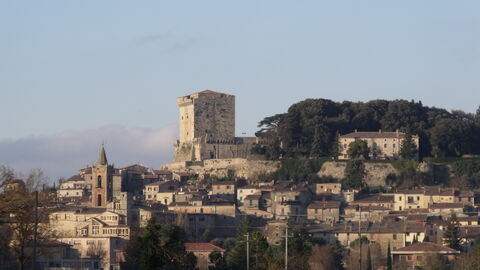
Sarteano is a stunning Tuscan town that has long been a bit of a hidden gem. Only recently have its many attractions and boons have become public knowledge to a wider audience outside the region.

The town itself is immediately distinguishable; a lush and green place with a medieval core and topped by its famous giant castle.

The castle is definitely one of the main highlights of the town and is a must-see but there are plenty of other historic and cultural gems to be discovered and explored; from Etruscan tombs to Renaissance palaces and medieval churches to local festivals, Sarteano has a diverse offering of interesting local attractions.

Just find a holiday rental in Sarteano and you can begin delving into everything the town has to offer.
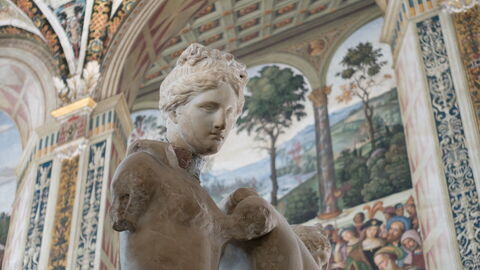
Biblioteca Piccolomini, interior
Posted in: Architectural Gems Churches & Religious Buildings History Important People Localities Museums & Galleries Siena Tourist Attractions
For those visiting the stunning cathedral of Siena, there is another stop on the premises that you won't want to miss: the Piccolomini Library. Another artistic and architectural gem in this great Tuscan Renaissance city, it can be reached when you turn left about halfway along the length of the cathedral's aisle. The Piccolomini name holds a lot of weight and history in Siena. Enea Silvio Piccolomini was a 15th century noble who served as mediator in trying to reconcile Emperor Frederick III with the papal state, arranging the emperor's marriage to Eleonora of Aragon and organising his coronation in Rome and was rewarded by being made the Bishop of Trieste in 1447 and the Bishop of Siena in 1450.

He went on to become a cardinal in 1456 and was elected as Pope Pius II min 1458. A very powerful figure of the time, the library was named after him by the subsequent Pope Pius III, another Piccolomini, his nephew.
The interior of the Duomo
Posted in: Architectural Gems Churches & Religious Buildings History Localities Siena Tourist Attractions
Siena's Cathedral was built between 1215 and 1263 and was designed by Nicola Pisano and his son, Giovanni continued the design when more building was undertaken from 1285. The upper half of the facade was not added until 14th century, a time of great wealth and prosperity for Siena. At the time, plans were considered to transform the church into a giant masterpiece that could even rival the mammoth St. Peter's in Rome, with the existing building forming transept of this huge imagined cathedral. However, this ambitious project sadly never came to pass as work was halted by the arrival of the Black Death in the city in 1348, which decimated the population of the town. Walls of the new cathedral still remain but are only a shell of the intended finished product.

Despite this, the rich and beautiful Tuscan church is still a gem and an important tourist attraction for those who have found a villa with pool in Siena and are planning a visit to the city.