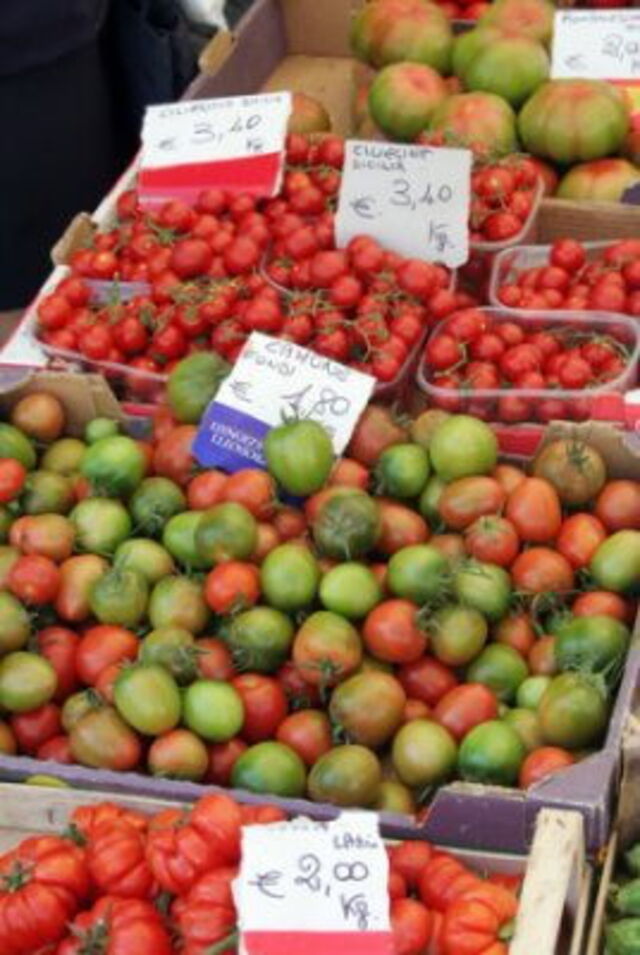
Regional cuisines can develop for a myriad of reasons: types of food grown in the area, wealth of the area, or simple preference. Areas of great wealth are able to import exotic spices or ingredients and incorporate them over time into the normal meals of the area.
Regions with bland ingredients tend to more, and often hotter spices than regions with more rich and flavorful ingredients. The area now known as Tuscany has been populated since at least 1,000 B.C., though the exact history of the ancient Etruscan settlements there are unknown. Tuscany has had over three thousand years to refine the cultivation of its local ingredients and its own style of cuisine.
Tuscan cuisine is the epitome of rich ingredients. Often forgoing thick and heavy sauces or heavily spiced dishes, Tuscan cooks let “the food do the talking”. The region is well known for its hearty soups, olive oil, fine wines, delicious cheeses, unsalted breads and flavorful meats. Each and every element of the Tuscan kitchen has been refined over time to near perfection. The best way to ensure a delicious meal is to begin with the freshest ingredients of the highest possible quality.
Regions with bland ingredients tend to more, and often hotter spices than regions with more rich and flavorful ingredients. The area now known as Tuscany has been populated since at least 1,000 B.C., though the exact history of the ancient Etruscan settlements there are unknown. Tuscany has had over three thousand years to refine the cultivation of its local ingredients and its own style of cuisine.
Tuscan cuisine is the epitome of rich ingredients. Often forgoing thick and heavy sauces or heavily spiced dishes, Tuscan cooks let “the food do the talking”. The region is well known for its hearty soups, olive oil, fine wines, delicious cheeses, unsalted breads and flavorful meats. Each and every element of the Tuscan kitchen has been refined over time to near perfection. The best way to ensure a delicious meal is to begin with the freshest ingredients of the highest possible quality.
Tuscany is one of the few regions of Italy in which beef is popular. Chianina beef, a breed of cattle that dates back before the Roman Empire, is raised in the area and it is considered by many to be some of the best beef available. Chianina cattle are an incredibly hearty livestock that are desired for breeding into other herds and breeds across the globe. The best way to enjoy the chianina beef is a thick fiorentina steak; a Bistecca alla Fiorentina (an equivalent to the American t-bone or porterhouse) grilled over a wood or charcoal fire and seasoned with only a little salt will bring all the flavor one could ask for to the table. This is almost always served rare to medium rare, and typically with a side dish of Tuscan beans.
While one doesn’t typically think of beans when thinking of the Tuscan dinner table, the Tuscans are referred to as the bean eaters of Italy. Fava beans and dried white cannellini beans are often seen as the side dishes in larger meals, or included in the hearty soups that Tuscany is well known for. They are also commonly pureed into a creamy spread or slow-cooked over a fire with olive oil and garlic.
This theme of lightly seasoned ingredients is prevalent throughout Tuscan cuisine. Simple dishes with rich and flavorful ingredients need little in the way of overpowering spices or thick sauces. Not to say that Tuscany is devoid of herbs or spices, on the contrary their many vegetable and bean dishes are often accompanied with rich herbage and seasoned to perfection.
For those of us who are not lucky enough to live in Tuscany, these ingredients may not be as easily found as walking out to your garden or to the local market. We can still take the ideas of Tuscan cooking to our own dinner table with a little work. Our villa owners sometimes submit authentic recipes to us, many of them passed through families for years, and we will bring them to you whenever we can.
While one doesn’t typically think of beans when thinking of the Tuscan dinner table, the Tuscans are referred to as the bean eaters of Italy. Fava beans and dried white cannellini beans are often seen as the side dishes in larger meals, or included in the hearty soups that Tuscany is well known for. They are also commonly pureed into a creamy spread or slow-cooked over a fire with olive oil and garlic.
This theme of lightly seasoned ingredients is prevalent throughout Tuscan cuisine. Simple dishes with rich and flavorful ingredients need little in the way of overpowering spices or thick sauces. Not to say that Tuscany is devoid of herbs or spices, on the contrary their many vegetable and bean dishes are often accompanied with rich herbage and seasoned to perfection.
For those of us who are not lucky enough to live in Tuscany, these ingredients may not be as easily found as walking out to your garden or to the local market. We can still take the ideas of Tuscan cooking to our own dinner table with a little work. Our villa owners sometimes submit authentic recipes to us, many of them passed through families for years, and we will bring them to you whenever we can.