Fonte Gaia
Posted in: Architectural Gems Curiosities Localities Must See Attractions Siena Tourist Attractions
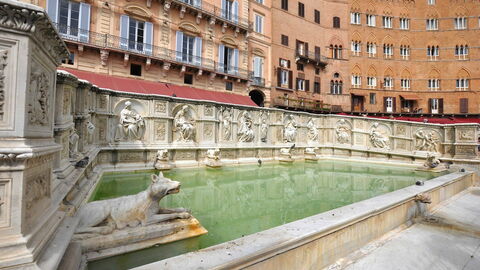
If Rome has the Trevi Fountain, then Siena has the Fonte Gaia. While not nearly so famous as the former, the Fonte Gaia is a serious looker and impressive artistic gem that is covered in stunning sculptural works. If you have found a luxury villa in Siena and are spending time in this beautiful city, then be sure to set aside some time to come and admire this incredible fountain and its wonderful decorative scheme for yourself. And, maybe, as with the Trevi Fountain, bring along a coin to toss in and make a wish.

The Fonte Gaia is located in Siena's famous Piazza del Campo, where the city's iconic Palio horse races are held each summer. The main square of the town, it is a massive, charming space filled with eateries and shops and is one of the places that locals, visitors, and tourists all end up floating to at some point. When you make it there, you will likely see a crowd gathered around the Fonte Gaia, something which is a permanent fixture of the square but much less intense and large than the crowds that constantly gather around the Trevi Fountain. You probably won't have to wait around for quite as long to get your chance for a look, a wish, and a photo!
Terme di Petriolo
Posted in: Curiosities Localities Must See Attractions Siena Spa Tourist Attractions
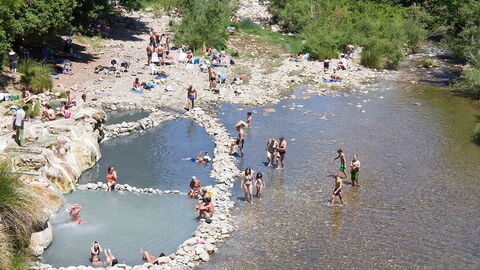
While it may be news to some that Tuscany is one of the best spa destinations in the world, we have written extensively about the different thermal springs, spa towns, and spa complexes located across the region in the past. In fact, there are plenty of different options to choose from and one could even go on a spa town tour, if they wanted to, while spending time in Tuscany. However, if you have found a luxury villa in Siena and are looking to go on a spa day while staying in the province, then we recommend a visit to Bagni di Petriolo.

Famous for its thermal springs since the time of the Ancient Romans and with awareness of the healing benefits of the waters dating back as far as 1200AD, Bagni di Petriolo has long since attracted visitors who come to imbibe and soak in her waters. Throughout the centuries, the town has even drawn some particularly famous and high-profile figures from all over – including popes, cardinals, the Medici, the Malatesta family of Pesaro, the family of the Duke of Urbino, and the Gonzaga family of Mantua – such was its reputation.
Pici
Posted in: Food and Wine Localities Recipes Siena Slow Food
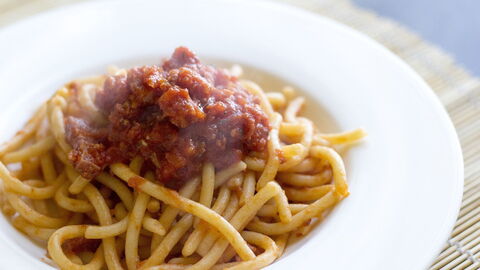
If you like spaghetti then you'll probably like pici, which are basically super-spaghetti: a thicker, flatter, hand-rolled, handmade spaghetti that comes from an enduring Tuscan country tradition of making your own pasta from scratch at home. As we all have a bit more time on our hands at the moment during this time of social-distancing and may be craving culinary outings and travelling, why not combine it all and travel and experience something new with your tastebuds from the safety of your very own kitchen?

Pici, sometimes referred to as, “pinci”, are a kind of pasta that originated in the Montalcino area of the province of Siena in Tuscany. Made from a simple dough, typically made from only flour and water, though egg is sometimes added, it is one of those Tuscan dishes that is made in an endless variety of methods and has endless variations as each family usually has their own secret and specific recipes that are passed down through the generations. From the ingredients, to the proportions of ingredients used, to the way that the dough is rolled out, there can be all sorts of variations in how Pici are made. For example, to make the distinct thick, tubular shape, the dough must be rolled out in a thick flat sheet and then cut into strips but while some people roll the dough between a palm and the table while the other hand is wrapped with the rest of the strip, others simply roll the strip between the two palms.
Tuscany
Posted in: Curiosities Legends Localities Lucca Siena Tourist Attractions
We are obsessed with all things Tuscan here and, while we can't plan holidays in the region at the moment, we can read all about her unique traits and think ahead to better days in which a vacation doesn't seem so far away.

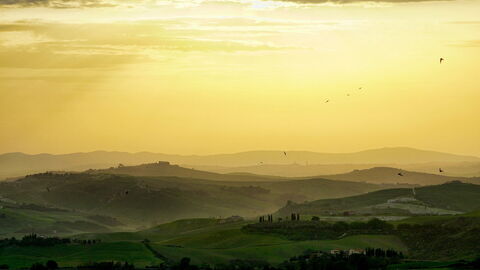
Tuscany has an incredibly rich historical and cultural heritage, shaped by shifting rulers, endless battles and wars over land throughout the centuries, influential art movements and artists, and a stunning landscape that both inspires and produces bountiful culinary delights. As such, the region also boasts more intriguing myths and legends and spooky tales than one might be aware of or expect.

If you have an interest in history, folklore, or the macabre, Tuscany is actually a surprisingly excellent holiday destination as it is awash with haunted castles and sites supposedly frequented by witches and much more besides. Today, we have rounded up some of our favourite tales of mystery and the supernatural and intrigue from Tuscany as we find ourselves with the additional time on our hands necessary to ponder the strange and unusual aspects of the world...
Bibbiano Castle
Posted in: Architectural Gems Castles & Palaces Localities Pretty Views Siena Tourist Attractions
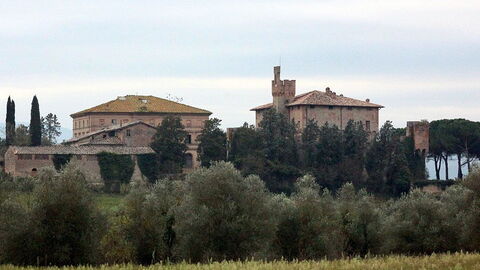
In the last article, we mentioned the especially lovely Tuscan medieval walled town of Buonconvento, which makes for a perfect day trip idea if you have found a luxury villa in Siena and are spending time exploring the wider province and all that it has to offer. If you are already in the area of Buonconvento and also have a particular penchant for the medieval, then we might additionally suggest swinging by Bibbiano Castle to see a lovely example of a Tuscan medieval castle while you are at it.

Bibbiano Castle is located in a particularly scenic part of Tuscany that is also quite removed from mass tourism and the potential madness of crowds and queues. For those interested in a more relaxed type of travelling and a slower pace of life, it is an ideal destination. Named for the “bibbio”, or widgeon, an aquatic bird that lives in the area, the origins of a settlement at the castle date back to 850 when it was home to the Longobard count Guinigi di Reghinari during the time of Emperor Ludovico II. It was in possession of the Guiglieschi and then the Cacciaconti families until the 13th century, when it was handed over to the Republic of Siena and re-fortified under their rule. After this is was destroyed but then rebuilt in the fifteenth century by its new owner the Cardinal Raffaello Petrucci, according to designs by the architect Baldassarre Peruzzi.